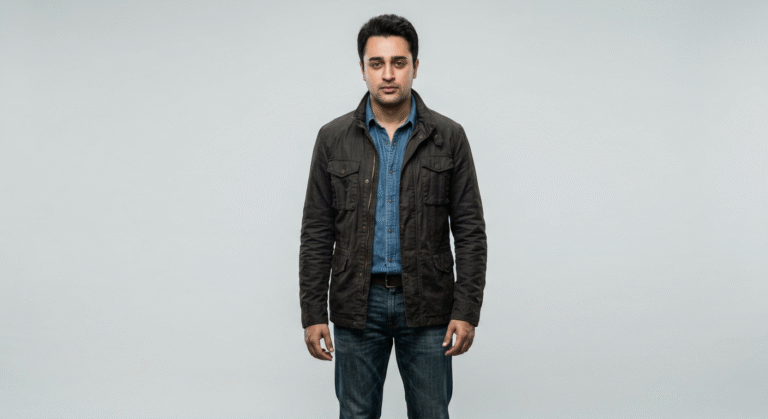

Iran has entered a new political phase after Mojtaba Khamenei was appointed as the country’s next Supreme Leader. The decision was made by Iran’s Assembly of Experts, an 88-member clerical body responsible for choosing the nation’s top religious and political authority. His appointment came shortly after the death of his father, Ayatollah Ali Khamenei, who had led Iran for decades.
Mojtaba Khamenei, 56, has long been seen as a powerful figure behind the scenes in Iranian politics. Although he rarely appeared in public or held a formal government position, he worked closely within the Office of the Supreme Leader, where he was often described as a ‘gatekeeper’ to his father.
Born in 1969 in Mashhad, Iran, Mojtaba is the second son of Ali Khamenei. He studied Islamic theology in the religious seminaries of Qom, which is the main center of Shiite religious learning in Iran. He holds the clerical rank of Hojjatoleslam, a mid-level position in the Shia clerical hierarchy.
At the age of 17, Mojtaba briefly participated in the Iran-Iraq war, where he developed connections with individuals who later became influential in Iran’s military and security institutions. These connections helped strengthen his influence within Iran’s powerful Islamic Revolutionary Guard Corps (IRGC).
Despite not holding elected office, Mojtaba gained a reputation as a political power broker. Analysts say he maintained close ties with Iran’s security establishment and supported conservative, hard-line policies. His influence was also linked to the political rise of former Iranian president Mahmoud Ahmadinejad in 2005.
In 2019, the United States imposed sanctions on Mojtaba, accusing him of acting on behalf of the Supreme Leader and helping advance Iran’s regional policies.
Controversies and Criticism Against Mojtaba Khamenei
Mojtaba has faced criticism from reformist groups and protesters inside Iran. During major protests in recent years, some activists accused him of supporting strict government responses. However, Iranian authorities have rejected many of these allegations.
Mojtaba Khamenei’s appointment marks a historic moment because it is the first time Iran’s supreme leadership has passed from father to son since the 1979 Islamic Revolution.
His leadership begins during a period of regional tension and political uncertainty. Many analysts believe that his close ties to the security establishment and conservative circles could shape Iran’s domestic policies and international relations in the years ahead.
Headlyne app makes sure that as soon as a headline is created, it reaches straight to your phone without wasting any time! Stay curious and informed with us.
Download the Headlyne app today.