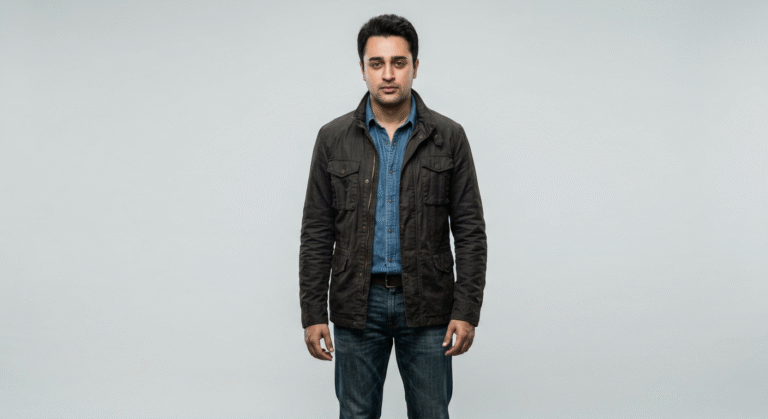

On Monday, Justice Surya Kant was sworn in as the 53rd Chief Justice of India, marking the start of his nearly 15-month tenure in this top judicial office. The oath was administered by President Droupadi Murmu in a ceremony that included key leaders such as Prime Minister Narendra Modi, Home Minister Amit Shah, Defence Minister Rajnath Singh, and Lok Sabha Speaker Om Birla.
Justice Kant succeeds Justice Bhushan R. Gavai. He was appointed under the powers granted by the Indian Constitution’s Article 124, following a recommendation by his predecessor. His current term will continue until 9 February 2027, when he turns 65.
After the ceremony, he greeted Justice Gavai with a warm hug – an emotional moment that showed respect for his predecessor.
At his swearing-in, Justice Kant made it clear that his top priority will be reducing the huge backlog of court cases. He said he plans to work with High Courts across India to find out what is blocking hearings and to make the justice system faster and more efficient.
From Lawyer to Chief Justice
Born on 10 February 1962 in Haryana, Justice Kant began his legal career in 1984 in Hisar. He later moved to Chandigarh to practice in the Punjab & Haryana High Court. Over the years, he worked on many important cases, including constitutional and civil ones, representing universities, companies, and boards.
In 2000, he became the youngest Advocate General of Haryana. He was made a Senior Advocate in 2001, and then a permanent judge of the Punjab & Haryana High Court in January 2004. He went on to serve as Chief Justice of the Himachal Pradesh High Court before joining the Supreme Court in May 2019. Since November 2024, he also chaired the Supreme Court Legal Services Committee.
Justice Kant has been part of many major judgments:
- The abrogation of Article 370, which removed special status for Jammu & Kashmir.
- Revisions of Bihar’s electoral rolls.
- The Pegasus spyware case, an issue of major public concern.
- He was on the bench that kept the colonial-era sedition law in abeyance, asking for a government review.
- He upheld the One Rank-One Pension scheme for defence personnel.
- He also directed that one-third of seats in bar associations, including the Supreme Court Bar Association, be reserved for women.
With Justice Surya Kant now at the helm, his focus on clearing case backlogs and his rich judicial experience raise hopes for a more efficient and fair justice system in India. His leadership could bring meaningful change in the way courts work – and how justice reaches people faster.
Headlyne app makes sure that as soon as a headline is created, it reaches straight to your phone without wasting any time! Stay curious and informed with us.
Download the Headlyne app today.